
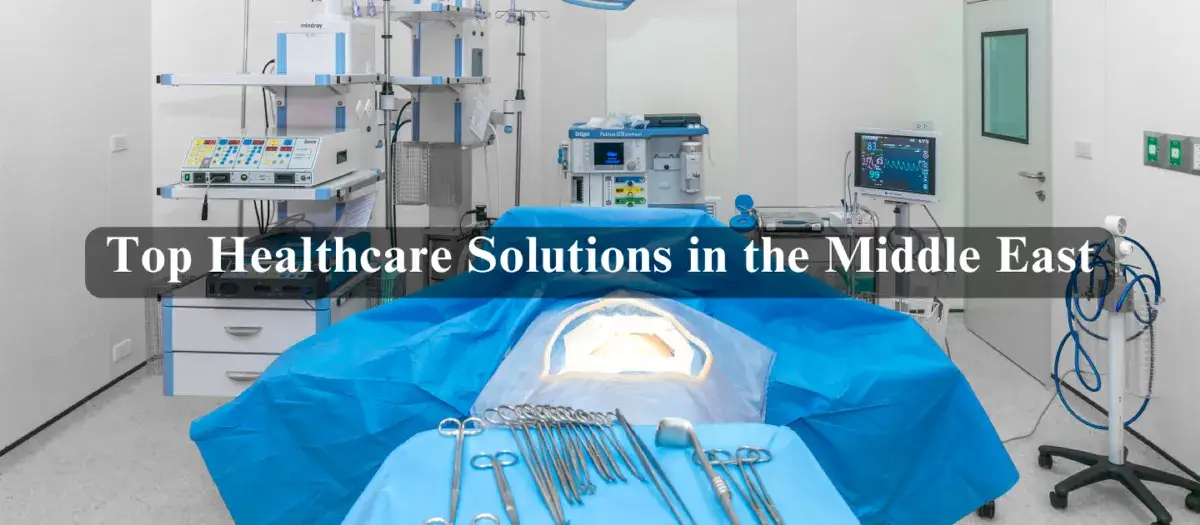
Top Healthcare Solutions in the Middle East: Trends and Innovations
Explore the transformative trends and innovations in the Middle East's healthcare sector, driven by technology, enhancing patient care and health outcomes.
The healthcare landscape in the Middle East is undergoing remarkable transformations driven by innovation and technology. As countries within the region strive to enhance their healthcare systems, they are adopting new trends and leveraging advanced solutions to improve patient care.
This article explores the latest developments in healthcare, the role of technology, and how various stakeholders are contributing to a sustainable health system.
What are the Latest Trends in Healthcare in the Middle East?
Emerging Technologies in the Healthcare Sector
Emerging technologies are reshaping the healthcare sector in the Middle East, providing innovative solutions that enhance patient care and streamline processes. The integration of artificial intelligence (AI) into healthcare systems is enabling better diagnosis and treatment options, making it one of the top trends today.
Moreover, the adoption of Internet of Medical Things (IoMT) devices allows for remote monitoring of patients, ensuring timely interventions and personalized care. Blockchain technology is also gaining traction, offering enhanced security for patient data and improving the overall efficiency of healthcare services. As these technologies continue to evolve, they are set to revolutionize the way healthcare is delivered in the region.
In recent years, the healthcare sector has seen a surge in innovations, particularly in how technology is applied to patient care. Telemedicine has emerged as a critical component, allowing patients to access healthcare services from the comfort of their homes.
This trend not only increases accessibility but also reduces the burden on hospitals, making it an invaluable solution for the Middle East’s healthcare system. Additionally, advancements in wearable technology provide health professionals with real-time data, enabling proactive management of chronic conditions. This convergence of technology and healthcare is paving the way for a more efficient and responsive health service.
Impact of AI on the Future of Healthcare
Artificial intelligence (AI) is poised to have a profound impact on the future of healthcare in the Middle East, enhancing diagnostic accuracy and treatment efficacy. AI algorithms analyze vast amounts of health data, facilitating precision medicine tailored to individual patient needs. With its ability to process and learn from data, AI is becoming an essential tool for healthcare professionals, enabling them to make informed decisions quickly.
Moreover, AI-driven applications are streamlining administrative tasks, thus allowing healthcare providers to focus more on patient care. As AI continues to advance, its integration into healthcare systems will undoubtedly lead to significant improvements in health outcomes and service delivery.
The potential of AI extends beyond diagnostics; it is also revolutionizing patient interactions through virtual health assistants. These AI-powered platforms can provide patients with immediate answers to their queries, schedule appointments, and even remind them about medication, thus enhancing patient engagement.
Furthermore, the Middle East's commitment to healthcare innovation has led to substantial investments in AI research and development, ensuring that the region stays at the forefront of technological advancements in healthcare. As we look to the future, the role of AI will only expand, promising a more efficient and effective healthcare system.
Digital Health Innovations Transforming Patient Care
Digital health innovations are significantly transforming patient care in the Middle East, leading to more personalized and efficient healthcare services. The rise of telemedicine platforms has made it easier for patients to access healthcare professionals, especially in remote areas where medical facilities are scarce.
These platforms facilitate virtual consultations, enabling patients to receive timely medical advice without the need to travel. Additionally, the integration of mobile health applications is empowering patients to take charge of their health by providing them with tools for self-monitoring and management of chronic diseases. This shift towards digital health is not only enhancing patient engagement but also improving health outcomes across the region.
Moreover, digital health solutions such as electronic health records (EHRs) are streamlining the way patient information is managed and shared among healthcare providers. This interconnectedness ensures that healthcare professionals have access to comprehensive patient histories, which can lead to better-informed decisions and coordinated care.
The use of data analytics in healthcare is also on the rise, enabling providers to identify trends and improve service delivery. As the Middle East continues to embrace digital health innovations, the focus on enhancing patient experiences and outcomes will remain a priority, positioning the region as a leader in healthcare advancements.
How is Technology Shaping the Healthcare System in the Middle East?
Telemedicine: A Game Changer for Healthcare Access
Telemedicine is a game changer for healthcare access in the Middle East, providing a crucial lifeline for patients in underserved areas. By leveraging technology, patients can now consult with healthcare providers remotely, breaking down geographical barriers that previously hindered access to medical services.
This shift has been particularly important during the COVID-19 pandemic, where in-person visits posed significant risks. Telemedicine platforms enable patients to receive timely consultations, prescriptions, and follow-ups without needing to visit a hospital or clinic physically. As a result, the healthcare system is becoming more resilient and adaptable to changing circumstances.
The benefits of telemedicine extend beyond mere convenience; it also leads to cost savings for both patients and healthcare providers. Reduced travel costs and time off work for patients, combined with lower overhead for healthcare facilities, result in a more sustainable healthcare model.
Furthermore, telemedicine allows for better resource allocation within hospitals, as healthcare professionals can manage a greater number of patients remotely. As the Middle East continues to invest in telemedicine infrastructure, it is likely to become an integral part of the healthcare system, enhancing both access and efficiency while maintaining high standards of care.
Smart Healthcare Systems and Their Benefits
Smart healthcare systems are rapidly emerging in the Middle East, driven by advancements in technology and a commitment to improving healthcare delivery. These systems utilize interconnected devices and data analytics to streamline operations, enhance patient care, and optimize resource management.
By integrating smart technologies, hospitals can monitor patients in real-time, ensuring timely interventions and improved health outcomes. Additionally, smart healthcare systems can facilitate better communication between healthcare professionals, allowing for collaborative and coordinated care. This interconnected approach fosters a more efficient healthcare environment, reducing the likelihood of errors and enhancing patient safety.
Moreover, the implementation of smart healthcare solutions contributes to the overall sustainability of the health system. By utilizing data analytics, healthcare providers can identify trends in patient care and resource utilization, leading to more informed decision-making. This data-driven approach allows for the development of targeted health strategies that can address specific community needs.
As the Middle East continues to embrace smart healthcare systems, the benefits of technology in improving patient care and operational efficiency will become increasingly evident, positioning the region as a leader in healthcare innovation.
Robotics in Healthcare: Improving Efficiency and Outcomes
Robotics is making significant strides in the healthcare sector of the Middle East, improving both efficiency and patient outcomes. Surgical robots are being increasingly used in hospitals, allowing for minimally invasive procedures that reduce recovery times and enhance precision.
These advanced machines enable surgeons to perform complex operations with greater accuracy, leading to fewer complications and better overall results for patients. Additionally, robotic systems are being utilized in rehabilitation and elderly care, assisting healthcare professionals in providing high-quality support to patients with mobility challenges.
The integration of robotics into the healthcare system not only enhances clinical outcomes but also alleviates the burden on healthcare professionals. With robotic systems handling repetitive tasks, healthcare workers can focus their attention on more critical aspects of patient care. This shift can lead to improved job satisfaction among healthcare providers and a more cohesive working environment.
As the Middle East continues to explore the potential of robotics in healthcare, the emphasis on innovation and technology will play a crucial role in shaping the future of the health sector, ensuring that patients receive the best possible care.
What Role Does the Ministry of Health Play in Healthcare Innovation?
Policy Initiatives Driving Healthcare Innovations
The Ministry of Health plays a pivotal role in driving healthcare innovations in the Middle East through strategic policy initiatives. By establishing a clear health strategy, the ministry ensures that the healthcare system aligns with global best practices while addressing local needs. Policies that promote investment in health technology and infrastructure are crucial for fostering an environment conducive to innovation.
Additionally, the ministry actively encourages partnerships between the public and private sectors, facilitating knowledge transfer and resource sharing. This collaborative approach enhances the healthcare ecosystem, enabling the development of cutting-edge solutions that benefit patients and healthcare providers alike.
Furthermore, the Ministry of Health is instrumental in setting standards for quality and safety in healthcare services. By implementing regulations that govern the use of emerging technologies, the ministry provides a framework that safeguards patient welfare while encouraging innovation.
This balance is essential for building trust in new healthcare solutions, particularly as digital health and AI technologies become more prevalent. As the Middle East continues to evolve, the ministry's commitment to fostering a culture of innovation will be key to enhancing the overall health system and ensuring that it meets the needs of the population.
Investment Strategies for a Sustainable Health System
Investment strategies are crucial for developing a sustainable health system in the Middle East, particularly as the region seeks to enhance its healthcare infrastructure. The Ministry of Health, along with private investors, is focusing on funding initiatives that promote healthcare innovation and technology adoption.
By channeling resources into the healthcare sector, stakeholders can support the development of advanced medical facilities, telemedicine platforms, and smart healthcare systems. This financial commitment not only improves access to quality healthcare but also drives economic growth within the region.
Moreover, attracting foreign investment is essential for fostering a robust healthcare industry. By creating an environment that encourages collaboration with international partners, the Middle East can leverage expertise and technology from around the globe.
This collaborative approach is vital for addressing pressing health challenges and implementing innovative solutions that improve patient care. As investment strategies continue to evolve, the focus on sustainability will be paramount, ensuring that the healthcare system can meet the demands of the population while remaining responsive to future challenges.
How Are Healthcare Startups Contributing to the Industry?
Top Healthcare Startups Revolutionizing Patient Services
Healthcare startups are at the forefront of revolutionizing patient services in the Middle East, introducing innovative solutions that enhance the overall patient experience. These startups are leveraging technology to provide more accessible, efficient, and personalized healthcare services.
For instance, platforms that facilitate online consultations and digital health monitoring are becoming increasingly popular, allowing patients to manage their health remotely. This trend not only increases patient engagement but also reduces the strain on traditional healthcare facilities, making it a vital aspect of the evolving healthcare landscape.
Additionally, startups are exploring niches such as mental health, wellness, and chronic disease management, offering specialized services that cater to diverse patient needs. By focusing on specific health challenges, these companies are providing tailored solutions that improve health outcomes and enhance the quality of care.
The rise of wearable devices and health apps further illustrates how startups are harnessing technology to empower patients in managing their health actively. As the healthcare industry becomes more competitive, these innovative startups play a crucial role in driving advancements and improving patient services across the region.
Partnerships Between Startups and Established Healthcare Providers
Partnerships between startups and established healthcare providers are fostering a collaborative environment that drives innovation within the healthcare sector. These collaborations allow startups to leverage the expertise and resources of established players while providing fresh ideas and technological advancements.
By working together, they can develop comprehensive healthcare solutions that address the evolving needs of patients and healthcare professionals. Such partnerships also facilitate the integration of new technologies into existing healthcare systems, ensuring a smoother transition and better acceptance among healthcare providers.
Moreover, these collaborations often result in enhanced funding opportunities, as established healthcare providers are more likely to invest in promising startups that align with their strategic goals. This financial backing enables startups to scale their operations and reach a broader audience, ultimately benefiting patients and the healthcare ecosystem as a whole. As the Middle East continues to embrace innovation, the synergy between startups and established healthcare providers will be essential in shaping the future of healthcare services in the region.
What is the Future of Healthcare in the Middle East?
Predictions for Healthcare Innovation and Technology
The future of healthcare in the Middle East is poised for significant advancements driven by ongoing innovation and the integration of technology. Predictions indicate that the region will increasingly adopt AI and machine learning to enhance diagnostic capabilities and treatment options.
As healthcare providers begin to harness the power of data analytics, they will be able to deliver more personalized care tailored to individual patient needs. This trend will not only improve health outcomes but also contribute to a more efficient healthcare system that can respond to the changing demands of the population.
Additionally, the rise of telemedicine and digital health solutions is expected to continue, making healthcare more accessible than ever. Patients will benefit from the convenience of virtual consultations, remote monitoring, and digital health platforms that empower them to take control of their health.
As the Middle East embraces these technological advancements, the focus on sustainability and quality will remain paramount, ensuring that healthcare innovations are implemented responsibly and effectively to benefit all segments of the population.
The Rise of Digital Health Solutions Post-Pandemic
The COVID-19 pandemic has accelerated the adoption of digital health solutions in the Middle East, leading to a lasting transformation in the healthcare landscape. As healthcare providers adapted to the challenges posed by the pandemic, many turned to telemedicine and digital health platforms to maintain continuity of care.
This shift has resulted in a surge in the use of virtual consultations, remote monitoring, and health apps, making healthcare services more accessible to a broader population. The momentum gained during this period is likely to persist, with digital health solutions becoming a standard part of the healthcare system.
Furthermore, the ongoing emphasis on digital health will encourage innovation and investment in technology-driven solutions that cater to diverse patient needs. As healthcare providers recognize the benefits of these solutions, they are likely to continue integrating them into their practices, enhancing patient experiences and outcomes. The post-pandemic era presents an opportunity for the Middle East to redefine its healthcare system, focusing on digital health as a means to improve access, efficiency, and quality of care for all citizens.
Global Health Trends Influencing the Middle East's Healthcare System
Global health trends are significantly influencing the healthcare system in the Middle East, driving the adoption of innovative solutions and best practices. As the region looks to align itself with international standards, it is increasingly embracing trends such as value-based care, patient-centered approaches, and the integration of technology in healthcare delivery. These trends reflect a broader shift towards improving health outcomes, enhancing patient experiences, and optimizing resource utilization within the healthcare sector.
Moreover, the Middle East's commitment to sustainability and health equity is shaping its healthcare policies and practices. By focusing on preventive care and addressing social determinants of health, the region aims to create a more robust and resilient health system.
As global health challenges continue to evolve, the Middle East will need to stay agile and responsive, leveraging international partnerships and innovations to enhance its healthcare services. By doing so, it can position itself as a leader in the global healthcare landscape, ultimately benefiting its population and improving health outcomes.
Frequently Asked Questions (FAQs)
What are the challenges of healthcare in the Middle East?
Healthcare in the Middle East faces significant challenges, particularly regarding access to healthcare . Many countries in the Middle East grapple with disparities in healthcare delivery, which can hinder the effective use of digital health services . Despite the region's potential for growth in ai in healthcare , the integration of tech solutions into existing frameworks often falls short. Innovative healthcare initiatives struggle to reach underserved populations, exacerbating the demand for healthcare across various demographics.
Furthermore, the Middle East’s largest AI-based digital health platforms are not yet fully optimized to address the complexities of regional health systems. The nation’s commitment to healthcare innovation is evident, yet challenges remain in health information sharing and collaboration between public-private sectors. As highlighted by the World Economic Forum , enhancing universal health coverage and promoting e-health solutions are essential for fostering sustainable health care delivery and boosting tourism in the region.
How can we measure progress on social justice in health care?
Measuring progress on social justice in healthcare requires a multifaceted approach that incorporates various elements of healthcare and medicine . One key factor is ensuring equitable coverage of health services, particularly in regions where access to pharmaceutical products and health services to improve quality of care is limited. The integration of big data and healthtech innovations, including digital health services , can enhance the management of health resources, particularly in underserved areas.
For instance, the largest digital health platform in the world has made strides in providing access to healthcare innovation that has been highlighted by organizations like the national institutes of health . Countries across the Middle East are increasingly adopting technologies like 5G to facilitate real-time healthcare solutions. Furthermore, being the first country in the world to appoint an AI in healthcare management signifies a commitment to transparency in healthcare and improved patient outcomes, marking a significant step toward social justice in health access.
What is a smart device in healthcare?
In recent years, the emergence of smart devices in healthcare has revolutionized the way medical professionals deliver care. These innovative tools, including wearables and mobile applications, enhance the quality of healthcare by providing real-time data and analytics that aid in diagnosis and treatment.
Moreover, the integration of healthcare innovation has been highlighted as a critical component in addressing various health challenges, making patient management more efficient and personalized.
With advancements in biotech and digital health technologies, these smart devices not only empower patients to monitor their own health but also allow healthcare providers to make informed decisions based on comprehensive data.
As a result, the healthcare landscape is evolving, ensuring that patients receive timely interventions and support, ultimately leading to better health outcomes.
Where does Dubai rank in terms of healthcare?
Dubai has rapidly emerged as a leading destination for healthcare services in the Middle East, boasting a robust healthcare infrastructure and a wide array of medical facilities. The city consistently ranks high in global healthcare indexes, reflecting its commitment to providing quality care. Initiatives by the government to attract international healthcare providers have further elevated Dubai's status, making it a hub for advanced medical treatments and innovations.
In recent years, Dubai has invested heavily in enhancing its healthcare system, focusing on integrating technology and improving patient experiences. As a result, it has become a favored choice for medical tourism, drawing patients from around the globe seeking specialized treatments. With numerous hospitals and clinics accredited by international bodies, the city ensures that residents and visitors alike receive top-notch medical attention.
Overall, Dubai’s strategic positioning, coupled with its investments in healthcare , places it among the top cities worldwide in terms of medical services, catering to the diverse needs of its population.
How can we measure progress on social justice in health care?
Measuring progress on social justice in healthcare involves multiple dimensions, including the accessibility and quality of services provided to underrepresented communities. One key metric is the reduction of disparities in health outcomes, which can be assessed through data on morbidity and mortality rates among different demographic groups. This includes monitoring access to preventive care, treatment options, and mental health services.
Another important aspect is evaluating patient satisfaction and experiences, particularly among marginalized populations. Surveys and feedback mechanisms can help identify barriers that hinder equitable access to healthcare resources. Furthermore, tracking policy changes and their implementation can offer insights into systemic improvements.
Finally, community engagement and advocacy play a critical role in shaping healthcare policies and practices. Collaborating with local organizations can help ensure that the needs of diverse populations are met, ultimately fostering a more just and equitable healthcare system.