
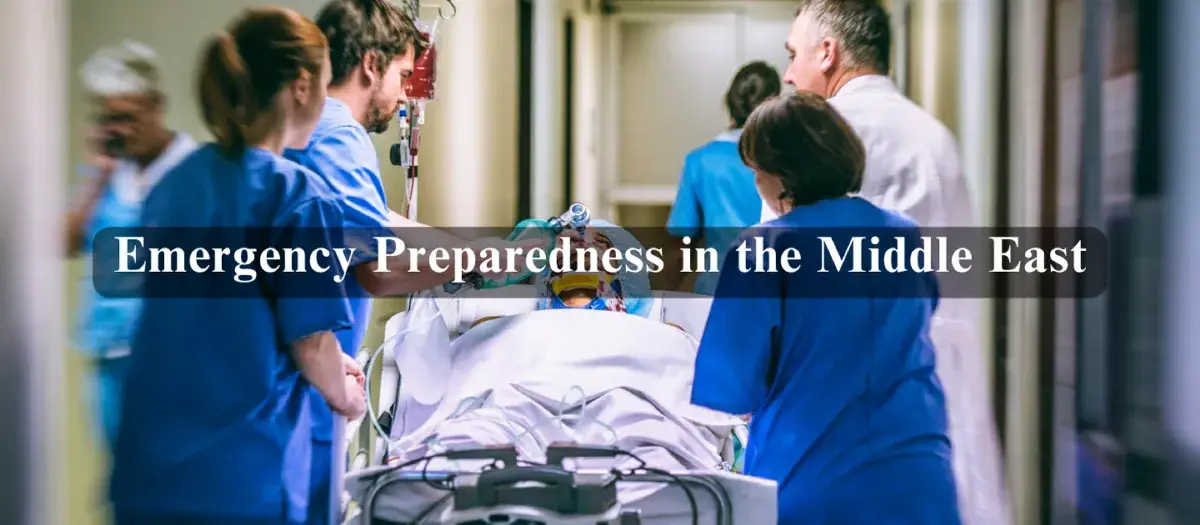
Emergency Preparedness in the Middle East | Best Practices for Healthcare Providers
Discover essential best practices for healthcare providers in the Middle East, focusing on disaster preparedness, emergency management, and resilience planning.
Emergency preparedness is crucial for healthcare providers, especially in the Middle East where the risk of disasters and crises is heightened. This article outlines best practices and strategies that can enhance emergency response capabilities in healthcare settings. By understanding disaster management and integrating effective systems, healthcare providers can ensure a robust emergency plan that prioritizes public health and safety.
What is Emergency Preparedness?
Understanding Disaster Preparedness in Healthcare
Emergency preparedness refers to the systematic planning and readiness to respond to disasters and emergencies. In healthcare, it involves creating a comprehensive plan that addresses potential hazards, ensuring that hospitals and healthcare providers can manage critical situations effectiely.
This includes training staff on emergency protocols, conducting drills, and establishing a clear incident command system. By fostering a culture of preparedness, healthcare providers can minimize the impact of emergencies, ensuring continuity of care during crises.
The importance of understanding disaster preparedness cannot be understated, especially in the context of healthcare. Facilities must evaluate risks specific to their geographic location, such as natural disasters or pandemics. This understanding aids in creating tailored emergency plans that enhance the resilience of healthcare systems. Furthermore, disaster preparedness in hospitals involves regular updates and revisions to plans based on lessons learned from past incidents, ensuring that healthcare workers are equipped to handle any emergency situation that may arise.
The Importance of Emergency Response Planning
Emergency response planning is critical for healthcare organizations to ensure they can effectively respond to crises. A well-structured plan allows healthcare providers to prioritize patient care, allocate resources efficiently, and coordinate with local emergency services.
Without proper emergency planning, hospitals risk being overwhelmed during critical incidents, which can lead to increased casualties and reduced health outcomes. Therefore, integrating emergency response strategies into everyday operations is paramount for healthcare providers in the Middle East.
Effective emergency response planning involves extensive collaboration among healthcare teams, local government agencies, and community organizations. This collaboration fosters a unified approach to crisis management, ensuring that all stakeholders are aware of their roles and responsibilities.
Training programs and simulation drills enhance staff readiness, enabling quick and efficient action when an emergency occurs. By implementing and regularly reviewing an emergency response plan, healthcare providers can improve their readiness and resilience against future disasters.
Key Phases of Emergency Management
The key phases of emergency management include preparedness, response, recovery, and mitigation. In the healthcare context, preparedness involves training staff, developing emergency plans, and ensuring sufficient supply chain management.
Response focuses on immediate actions taken during an emergency, such as triaging patients and mobilizing medical resources. Recovery includes restoring normal operations and addressing the longer-term impacts of the disaster, while mitigation involves strategies to reduce risks and enhance resilience for future incidents.
Each phase of emergency management is interconnected and essential for effective healthcare delivery during crises. For instance, a solid preparedness phase can greatly enhance the response phase, leading to better patient outcomes. Moreover, the recovery phase is crucial for evaluating the effectiveness of the response and implementing improvements.
By understanding and integrating these phases, healthcare providers can create a comprehensive emergency management system that not only addresses current challenges but also prepares them for potential future threats, enhancing overall community resilience.
How Can Healthcare Providers Enhance Emergency Response?
Training and Drills for Healthcare Staff
Training and drills are fundamental components of emergency preparedness for healthcare providers. Regular training sessions ensure that healthcare staff are familiar with emergency protocols, enabling them to respond effectively in high-pressure situations.
Simulation drills provide hands-on experience, allowing teams to practice their response to various emergency scenarios, from natural disasters to pandemics. This type of preparation is essential for building the confidence and competence of healthcare workers, ensuring they are ready when real emergencies arise.
Moreover, incorporating lessons learned from previous crises into training programs can enhance the effectiveness of these drills. For instance, after the COVID-19 pandemic, many healthcare organizations revised their training programs to include specific protocols for infectious disease outbreaks.
Continuous education and training ensure that healthcare staff remain updated on best practices and can adapt to evolving emergency situations. By prioritizing training and drills, healthcare providers can foster a culture of preparedness that ultimately benefits patient care during emergencies.
Implementing an Incident Command System
Implementing an incident command system (ICS) is vital for effective emergency management in healthcare settings. The ICS establishes a clear hierarchy and communication structure, allowing for organized responses during emergencies. This system enables healthcare teams to coordinate their efforts, ensuring that resources are allocated efficiently and that all staff are aware of their specific roles in a crisis. By utilizing an ICS, healthcare providers can streamline their emergency response efforts, ultimately enhancing patient care and safety.
Furthermore, an effective ICS promotes collaboration among various departments within a hospital, as well as with local emergency services and community organizations. This coordination is essential for ensuring a unified response to incidents, which can significantly reduce response times and improve outcomes.
Training all healthcare staff on the ICS model is crucial to ensure that everyone understands how to operate within the system during emergencies. By implementing and regularly practicing the ICS, healthcare providers can strengthen their emergency response capabilities and enhance their overall preparedness.
Best Practices in Crisis Management
Best practices in crisis management include developing clear communication strategies, maintaining flexibility, and fostering teamwork among healthcare staff. Effective communication is paramount during emergencies, as it ensures that accurate information is disseminated rapidly, allowing for informed decision-making. Additionally, maintaining flexibility in response plans allows healthcare providers to adapt to changing circumstances during a crisis, ensuring that patient care remains the top priority.
Furthermore, fostering a culture of teamwork among healthcare staff enhances collaborative efforts during emergencies. Encouraging open communication and collaboration helps to build trust and cohesion within teams, which is essential for effective crisis management.
Regularly reviewing and updating crisis management plans based on feedback and lessons learned from previous emergencies can further improve response efforts. By implementing these best practices, healthcare providers can enhance their crisis management capabilities, ultimately leading to better outcomes for patients and the community during emergencies.
What Are the Key Components of an Emergency Plan?
Developing an Evacuation Plan for Hospitals
Developing an evacuation plan is a critical component of emergency preparedness for hospitals. An effective evacuation plan outlines clear procedures for safely relocating patients, staff, and visitors during an emergency.
This plan must consider various factors, such as the hospital’s layout, patient needs, and available resources. Additionally, regular drills are necessary to ensure that all staff are familiar with the evacuation procedures and can implement them efficiently when required.
Furthermore, an evacuation plan should include provisions for the care of patients with special needs, such as those in critical condition or requiring assistance. Ensuring that all staff members are aware of their roles during an evacuation is essential for a smooth and effective response.
Communication is also vital, as clear instructions must be provided to all individuals in the facility. By prioritizing the development and regular updating of evacuation plans, healthcare providers can significantly enhance their readiness for emergency situations, ensuring the safety of all individuals in their care.
Coordination with Local Emergency Services
Coordination with local emergency services is crucial for effective emergency preparedness in healthcare. Establishing strong relationships with local emergency management agencies and first responders ensures a unified approach to crisis response. This collaboration allows for better resource sharing, quicker response times, and improved patient outcomes during emergencies. Healthcare providers should regularly engage with local services, participating in joint training exercises and drills to foster teamwork and enhance communication.
Moreover, clear lines of communication between healthcare providers and local emergency services help to streamline incident response. This coordination ensures that all parties are aware of their roles and responsibilities during an emergency, reducing confusion and enhancing operational efficiency.
Additionally, by providing local emergency services with information about hospital resources and capabilities, healthcare providers can ensure that they are effectively integrated into the emergency response system. By prioritizing coordination with local emergency services, healthcare providers can significantly improve their overall emergency preparedness and response capacity in times of crisis.
Supply Chain Management During Emergencies
Effective supply chain management is essential for healthcare providers during emergencies. Maintaining a robust supply chain ensures that hospitals have access to necessary medical supplies, equipment, and medications when faced with a disaster.
Proactive planning involves assessing potential risks to the supply chain, establishing relationships with multiple suppliers, and maintaining adequate inventory levels of critical resources. This preparedness helps to mitigate the impact of emergencies on patient care.
Additionally, healthcare providers should regularly evaluate and update their supply chain management strategies based on emerging risks and lessons learned from past disasters. Implementing a systematic review process can identify gaps in supply chain readiness and help organizations adapt to changing circumstances. By prioritizing supply chain management in their emergency plans, healthcare providers can ensure that they are well-equipped to respond effectively to emergencies, maintaining continuity of care and safeguarding public health.
How Does the COVID-19 Pandemic Impact Emergency Preparedness?
Lessons Learned from the COVID-19 Response
The COVID-19 pandemic has provided invaluable lessons for emergency preparedness in healthcare. One key takeaway is the importance of flexibility in emergency response plans to adapt to rapidly changing situations. The pandemic highlighted the need for real-time data and effective communication among healthcare providers, government agencies, and the public. Lessons learned from the pandemic can inform future emergency preparedness strategies, ensuring that healthcare providers are better equipped to handle similar crises.
Additionally, the pandemic underscored the significance of mental health support for healthcare workers during emergencies. The high-stress environment created by the pandemic revealed the need for comprehensive support systems to maintain staff well-being and resilience.
By incorporating these lessons into future emergency preparedness plans, healthcare providers can enhance their capacity to respond to public health crises effectively, ultimately improving patient care and community resilience.
Healthcare Resilience in Times of Crisis
Healthcare resilience is vital for providers to navigate times of crisis effectively. The ability to adapt and recover from emergencies is crucial for maintaining continuity of care and ensuring public health. Building resilience involves investing in staff training, enhancing communication strategies, and fostering collaboration among healthcare teams.
By prioritizing resilience in emergency preparedness plans, healthcare providers can better withstand the challenges posed by disasters and health crises.
Furthermore, resilience can be strengthened through community involvement and partnerships with local organizations. Engaging with the community helps to build trust and support systems, which are essential during emergencies. By leveraging community resources and expertise, healthcare providers can enhance their capacity to respond to crises effectively. Ultimately, prioritizing healthcare resilience not only benefits individual providers but also enhances the overall health system's ability to respond to future emergencies.
Adapting Emergency Plans for Future Pandemics
Adapting emergency plans for future pandemics is essential for healthcare providers to enhance their preparedness. The COVID-19 pandemic revealed gaps in existing emergency plans, necessitating updates to address specific challenges posed by infectious disease outbreaks.
Integrating lessons learned from the pandemic into emergency preparedness strategies can significantly improve healthcare providers' ability to respond swiftly and effectively to future health crises.
Healthcare providers should focus on enhancing surveillance systems, developing clear protocols for infection control, and ensuring adequate supply chain management for essential resources. Additionally, fostering a culture of continuous learning and improvement will enable organizations to remain adaptable in the face of evolving health threats. By proactively updating and refining emergency plans, healthcare providers can significantly enhance their readiness for future pandemics and safeguard the health of their communities.
What Role Does Technology Play in Emergency Management?
Utilizing Technology for Rapid Emergency Response
Technology plays a pivotal role in enhancing emergency management within healthcare systems. Utilizing advanced technologies allows for rapid data collection and analysis, enabling healthcare providers to respond swiftly to emergencies. Real-time monitoring systems can track patient status, resource availability, and incident developments, facilitating timely decision-making during crises. By adopting innovative technological solutions, healthcare providers can optimize their emergency response efforts, ensuring effective care delivery.
Moreover, technology enables improved communication among healthcare teams and with local emergency services. Digital platforms and applications can facilitate instant updates and information sharing, enhancing coordination during emergencies.
As technology continues to evolve, healthcare providers must remain vigilant in implementing new solutions that enhance their emergency management capabilities. By leveraging technology in their emergency response strategies, healthcare providers can significantly improve their readiness and ability to manage crises effectively.
Data Management and Incident Reporting Systems
Data management and incident reporting systems are essential components of effective emergency management in healthcare. These systems enable healthcare providers to collect, analyze, and disseminate critical information during emergencies, ensuring that decision-makers have access to accurate data.
Implementing robust data management practices enhances situational awareness, allowing healthcare organizations to respond more effectively to incidents and allocate resources efficiently.
Furthermore, incident reporting systems facilitate the documentation of emergency events, enabling healthcare providers to analyze responses and identify areas for improvement. By conducting systematic reviews of incident reports, organizations can develop insights that inform future emergency preparedness strategies. Investing in effective data management and incident reporting systems is crucial for enhancing the overall resilience of healthcare providers during emergencies, ultimately leading to better patient outcomes and community health.
Telemedicine in Emergency Situations
Telemedicine has emerged as a valuable tool in emergency situations, allowing healthcare providers to deliver care remotely and efficiently. Utilizing telemedicine technology enables providers to assess and treat patients without the need for in-person visits, which is particularly crucial during pandemics or natural disasters. This approach not only conserves healthcare resources but also minimizes the risk of exposure to infectious diseases, enhancing patient safety.
Moreover, telemedicine can facilitate timely consultations and referrals, ensuring that patients receive appropriate care when they need it most. By integrating telemedicine into emergency preparedness plans, healthcare providers can enhance their capacity to respond to crises effectively. As technology continues to advance, the role of telemedicine in emergency management will likely expand, offering new opportunities to improve patient care and support healthcare providers during emergencies.
How Can Community Involvement Improve Preparedness?
Engaging the Community in Preparedness Training
Engaging the community in preparedness training is essential for enhancing emergency response capabilities. Community involvement fosters a sense of ownership and responsibility, encouraging individuals to take an active role in emergency preparedness efforts. By providing training sessions and resources, healthcare providers can empower community members to respond effectively during emergencies, ultimately improving overall resilience.
Collaborative training initiatives that include local organizations, schools, and emergency services can further enhance community preparedness. These initiatives enable participants to understand their roles in emergency situations, ensuring a coordinated response. By prioritizing community engagement in preparedness training, healthcare providers can strengthen the overall emergency response system, leading to better health outcomes during crises.
Building Resilience Through Public Health Initiatives
Building resilience through public health initiatives is critical for effective emergency preparedness. Public health programs that promote health education, vaccination campaigns, and wellness initiatives can enhance community resilience by reducing vulnerability to health crises. By addressing the underlying determinants of health, healthcare providers can help communities better withstand emergencies and recover more quickly when disasters occur.
Furthermore, public health initiatives can foster collaboration among community organizations, healthcare providers, and government agencies. These partnerships enable a more comprehensive approach to emergency preparedness, as they can leverage resources and expertise to address community needs. By investing in public health initiatives, healthcare providers can significantly enhance their capacity to respond effectively to emergencies and safeguard the health of their communities.
Strategies for Effective Community Coordination
Effective community coordination strategies are vital for enhancing emergency preparedness. Establishing clear communication channels among healthcare providers, local organizations, and emergency services ensures that all stakeholders are informed and engaged during emergencies. Regular meetings and collaborative training exercises can strengthen relationships and improve coordination efforts, ultimately leading to a more efficient emergency response.
Additionally, creating a community emergency response plan that outlines roles and responsibilities for various stakeholders can enhance preparedness. By involving community members in the planning process, healthcare providers can ensure that the plan addresses specific local needs and resources. By prioritizing effective community coordination strategies, healthcare providers can significantly improve their overall emergency preparedness and resilience in the face of crises.
What Are the Challenges in Emergency Preparedness in the Middle East?
Identifying Hazards and Risk Factors
Identifying hazards and risk factors is a critical challenge for emergency preparedness in the Middle East. The region is prone to various natural disasters, including earthquakes, floods, and sandstorms, as well as man-made emergencies such as conflicts and pandemics. Understanding these risks is essential for healthcare providers to develop tailored emergency plans that address the specific threats faced by their communities.
Moreover, comprehensive risk assessments must consider the unique socio-political context of the Middle East. Factors such as population density, infrastructure limitations, and resource availability all play a role in shaping vulnerability to emergencies. By conducting thorough hazard analyses and integrating local knowledge into emergency preparedness strategies, healthcare providers can enhance their capacity to respond effectively to disasters and protect public health.
Addressing Infrastructure Limitations
Addressing infrastructure limitations is a significant challenge in emergency preparedness for healthcare providers in the Middle East. Many regions face inadequate healthcare facilities, transportation networks, and communication systems, which can hinder effective emergency response. Strengthening infrastructure is essential for improving the resilience of healthcare systems and ensuring that they can respond effectively to emergencies.
Investing in robust healthcare infrastructure, including hospitals, clinics, and emergency services, is crucial for enhancing preparedness. Additionally, improving transportation networks can facilitate quick access to care during crises, while reliable communication systems ensure that healthcare providers can coordinate effectively with local emergency services. By prioritizing infrastructure development, healthcare providers can significantly enhance their emergency preparedness and overall capacity to respond to disasters.
Policy and Coordination Challenges in Disaster Management
Policy and coordination challenges significantly impact emergency preparedness in the Middle East. Fragmented governance structures and varying levels of commitment to disaster management can hinder effective coordination among healthcare providers, government agencies, and community organizations. Establishing clear policies and frameworks for emergency preparedness is essential for fostering collaboration and ensuring a unified response to crises.
Moreover, enhancing coordination among stakeholders requires ongoing dialogue and collaboration. Regular meetings and joint training exercises can help build relationships and improve communication among different organizations. By addressing policy and coordination challenges, healthcare providers can strengthen their emergency preparedness efforts and enhance their ability to respond effectively to disasters, ultimately safeguarding public health and safety.
Frequently Asked Questions (FAQs)
What are the 5 phases of emergency preparedness?
Emergency preparedness consists of five essential phases: preparedness , mitigation , response , recovery , and evaluation . The preparedness phase focuses on developing plans and training, including training in disaster management for both government and private sectors. This includes disaster training for EMS personnel and hospital staff, ensuring a coordinated response in a disaster situation . The mass casualty surge capacity is evaluated through hospital disaster preparedness using a preparedness evaluation tool .
The mitigation phase aims at reduction of risk factors that could lead to disasters, while the response phase involves the immediate actions taken by government and private hospitals and EMS to manage the situation effectively. Finally, the recovery phase focuses on rebuilding and restoring services, integrating findings from a literature review of disaster medicine and public health strategies, as highlighted by the World Health Organization , particularly in contexts like the Kingdom of Saudi Arabia .
What are some best practices for preventing or preparing for emergency situations?
Effective preparedness for disaster management is crucial for businesses and healthcare systems alike. A high level of preparedness can significantly reduce the impact of emergencies. To achieve this, organizations should invest in disaster planning that incorporates medicine and public health preparedness . This includes training healthcare professionals to effectively respond to crises, ensuring they are familiar with the areas of disaster management and the necessary protocols for various situations.
Additionally, implementing a systematic review protocol can enhance disaster preparedness and response . This allows businesses and healthcare facilities to evaluate their readiness and identify areas for improvement in disaster scenarios. When comparing public health services to private hospitals, those with a strong emphasis on preparedness among staff and operations typically demonstrate a more robust response during a state of disaster . Ultimately, proactive measures lead to a marked improvement in disaster outcomes, as healthcare professionals often play a pivotal role in delivering crucial services in disaster situations.
What are three main actions for emergency preparedness?
Emergency preparedness is crucial for ensuring the health and safety of communities during crises. One of the main actions involves establishing a robust HICS (Hospital Incident Command System) that allows for coordinated responses among healthcare facilities. This system is essential for effective communication and resource allocation, particularly in times of disaster.
Another key action is enhancing disaster med public health initiatives. These programs focus on training healthcare professionals to respond swiftly and efficiently to emergencies, ensuring that they are equipped with the knowledge and skills needed to manage public health threats during disasters.
Finally, it's important to assess the capabilities of private hospitals compared to public institutions. Understanding their strengths and weaknesses can help ensure that all healthcare facilities are prepared to handle the influx of patients and provide care during emergencies, thereby safeguarding community health.
What should you do during an emergency evacuation?
During an emergency evacuation, it is crucial to remain calm and follow established protocols. First, ensure you know the nearest exits and evacuation routes, as these can vary in different locations. Compared to private hospitals , public facilities often have clear signage and trained staff ready to guide individuals to safety. In addition, always check on those around you, especially individuals who may need assistance, such as the elderly or disabled.
As you evacuate, listen to instructions from healthcare professionals who are prepared for such situations. They are trained to manage emergencies and can provide valuable guidance on the safest procedures to follow. Once outside, move to the designated assembly area and remain there until it’s safe to re-enter. Finally, do not use elevators, as they may become inoperable during an emergency. Staying informed and composed can make a significant difference in ensuring everyone's safety.
Are hospitals ready to respond to disasters?
In recent years, the frequency and intensity of disasters have raised concerns about whether hospitals are adequately equipped to respond. While many healthcare facilities have developed comprehensive disaster response plans, the effectiveness of these plans often hinges on how well healthcare professionals are prepared for emergencies. Training sessions and simulations can enhance their ability to handle mass casualty situations, but consistency in preparedness varies widely across different regions.
Moreover, the availability of resources such as medical supplies, equipment, and staffing is crucial for hospitals to function effectively during crises. Some facilities have made significant strides in establishing partnerships with local organizations to bolster their capabilities. However, the ongoing challenges of funding and resource allocation continue to pose obstacles.
Ultimately, a robust disaster response requires not only a well-trained workforce but also a collaborative approach that involves community engagement and support. Ensuring that healthcare professionals are prepared is essential for minimizing the impact of disasters on public health.
Are maternal wards in government hospitals disaster prepared?
Assessing whether maternal wards in government hospitals are disaster prepared involves examining their infrastructure, resources, and protocols. Many government hospitals have recognized the importance of being equipped for emergencies, especially in regions prone to natural disasters. However, the level of preparedness can vary significantly across different locations.
In some areas, maternal wards have implemented comprehensive disaster response plans, ensuring that staff are trained in emergency procedures and that essential supplies are readily available. Additionally, collaborations with local emergency services can bolster these efforts, providing a coordinated response during crises. Conversely, in less developed regions, government hospitals may struggle with inadequate resources, limiting their ability to effectively respond to disasters.
Ultimately, enhancing the disaster preparedness of maternal wards requires ongoing investment, training, and strategic planning to safeguard the health and safety of mothers and newborns during emergencies.